
Global Automotive OEM | STAR
Last-Mile Prescription Delivery Services
Insight and Foresight | Use Cases and Scenarios | HMI & UX Principles
Background
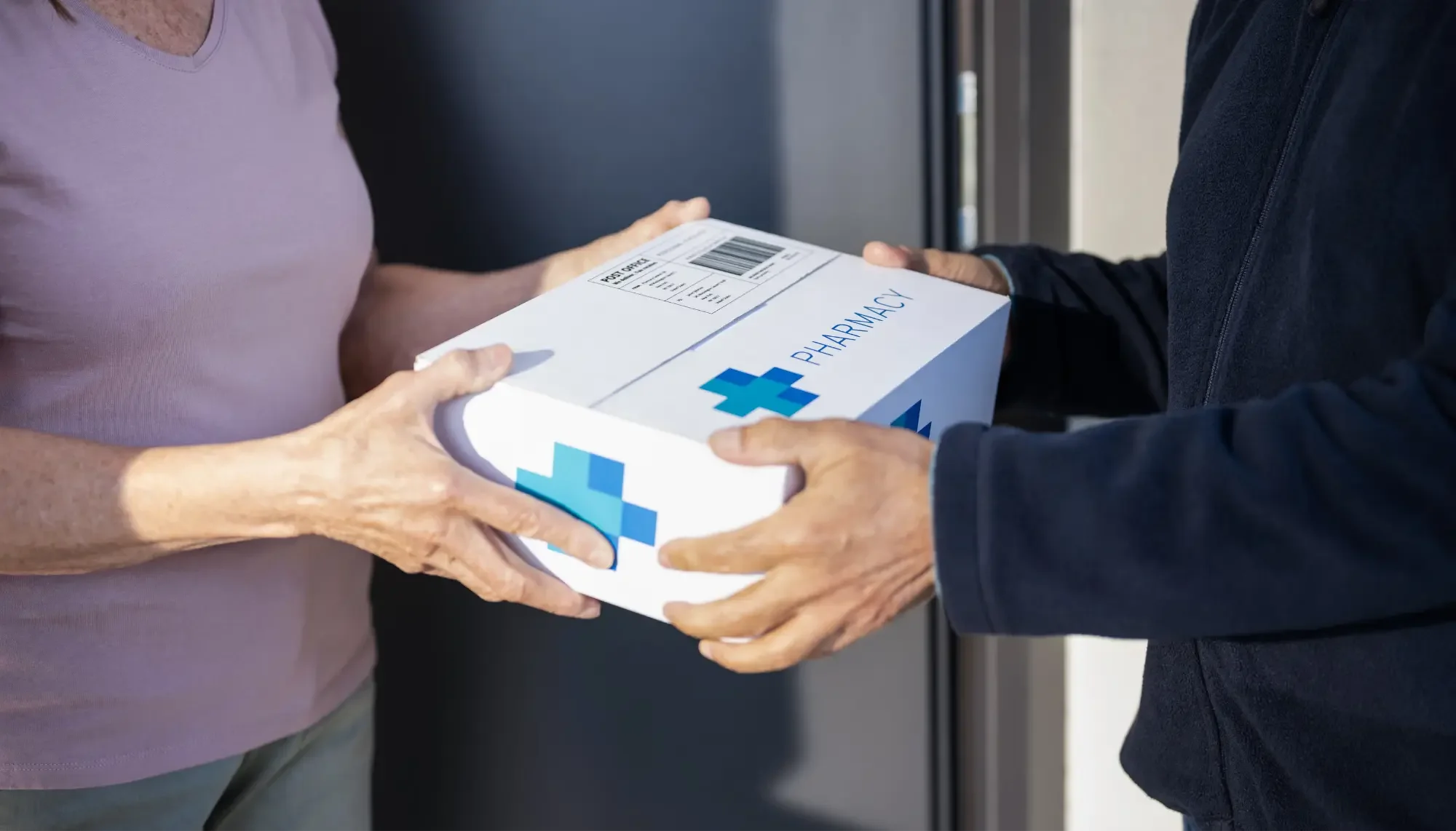
A global automotive OEM asked whether its vehicle and logistics expertise could open a path into the US last-mile prescription-delivery market.
Several different business models were plausible, from a partnership with an existing e-pharmacy platform, to becoming a full consumer e-pharmacy, each with its own customers, risk, and capability demands.
Prescription delivery means healthcare regulation, patient trust, and logistics precision in an already dense, costly market. Choosing the wrong model meant over-investing in ground the OEM didn't own, so it needed an evidence-based way to decide where to focus.
Solution
The evaluation began with three mutually exclusive go-to-market scenarios, each defining a distinct role for the OEM through a unique value proposition and business model. These scenarios were scored using a forced-ranking framework that assessed market size, product-market fit, competitive advantage, execution effort, and risk.
This foundation enabled the team to identify two clear paths forward. To further refine these options, we unpacked the supporting service and business models, mapped out the necessary technical infrastructure, and identified specific vehicle modification requirements. Additionally, to address the client's need for both a short- and long-term view, the analysis contrasts how these services operate today using manned vehicles versus how they will evolve with fully autonomous, unmanned vehicles.
Impact
The engagement delivered a comprehensive map of the last-mile prescription delivery landscape, outlining viable market entry points alongside their respective trade-offs, risks, and potential. Crucially, it defined the strategic role the OEM could play within an ecosystem of pharmacy and delivery partners.
Rather than prescribing a single solution, this framework provided leadership with the strategic oversight required to make informed decisions on their own terms: where to play, how to prioritize, and where to focus investment. Every recommendation was anchored in validated concepts, a like-for-like comparison of the options, and concrete vehicle requirements derived from real-world user testing.
My Role
I guided the strategic direction of the project by leading and mentoring a team of strategists and designers, whilst providing hands-on support by leading key activities and producing deliverable materials. Additionally, I orchestrated a cross-functional team that integrated clinical experts and solution architects to ensure seamless execution of the project deliverables.