
Product Strategy
For companies transitioning an idea to MVP, I shape the market strategy and functional requirements needed for new products and platforms to achieve market fit, differentiation, and lasting retention.
Cases Studies
-
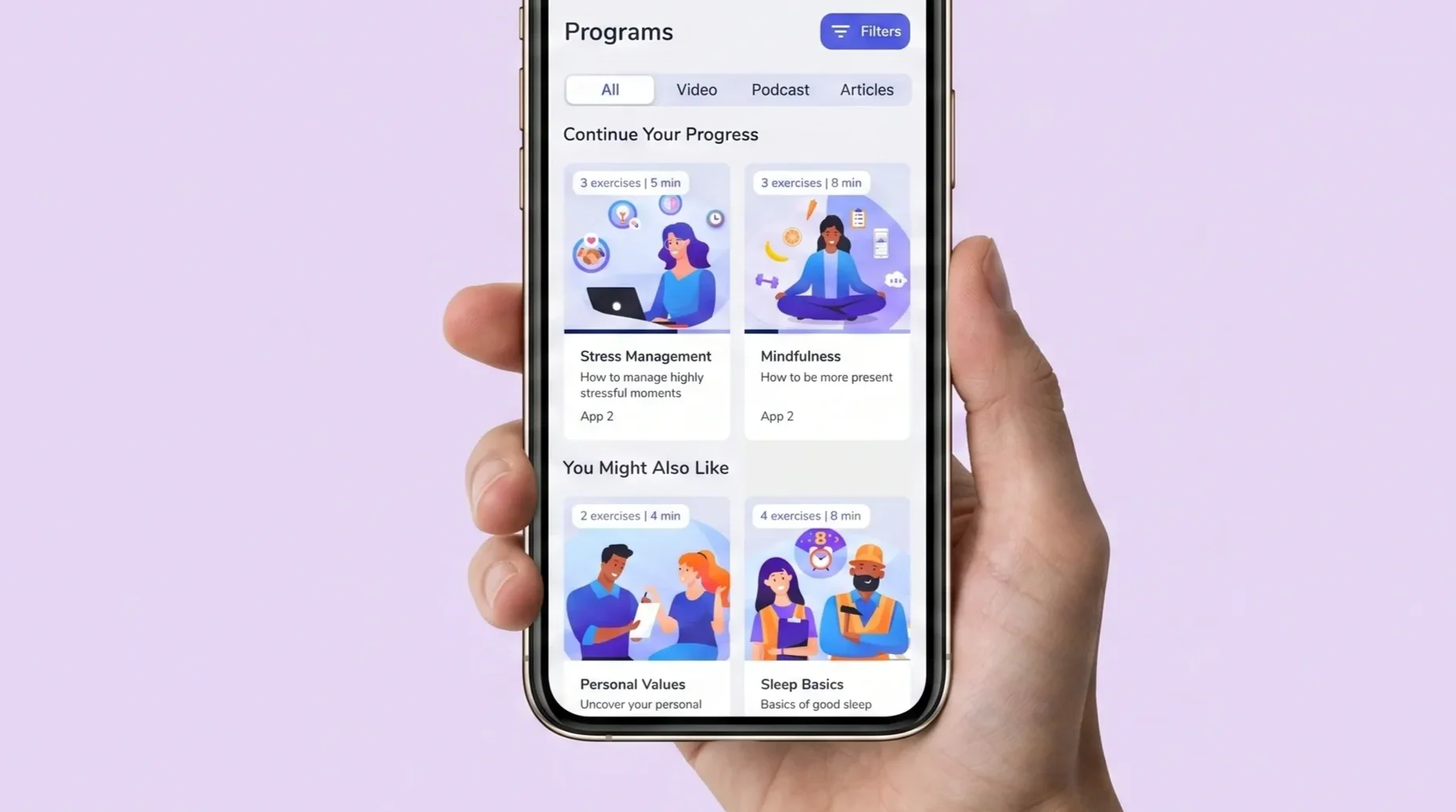
Global insurance provider | STAR
A global insurance provider was navigating a post-pandemic shift in consumer expectations, one where people increasingly expected their insurer to support their wellbeing, not just cover their losses.
Mental health was the most urgent and least served part of that picture. With no digital offering in this space, they engaged STAR to design and validate a scalable mental wellbeing platform, the first initiative in a broader prevention and awareness strategy.
Any solution had to work across multiple markets and languages, integrate with carefully selected external partners, and satisfy GDPR and compliance requirements in each territory.
-
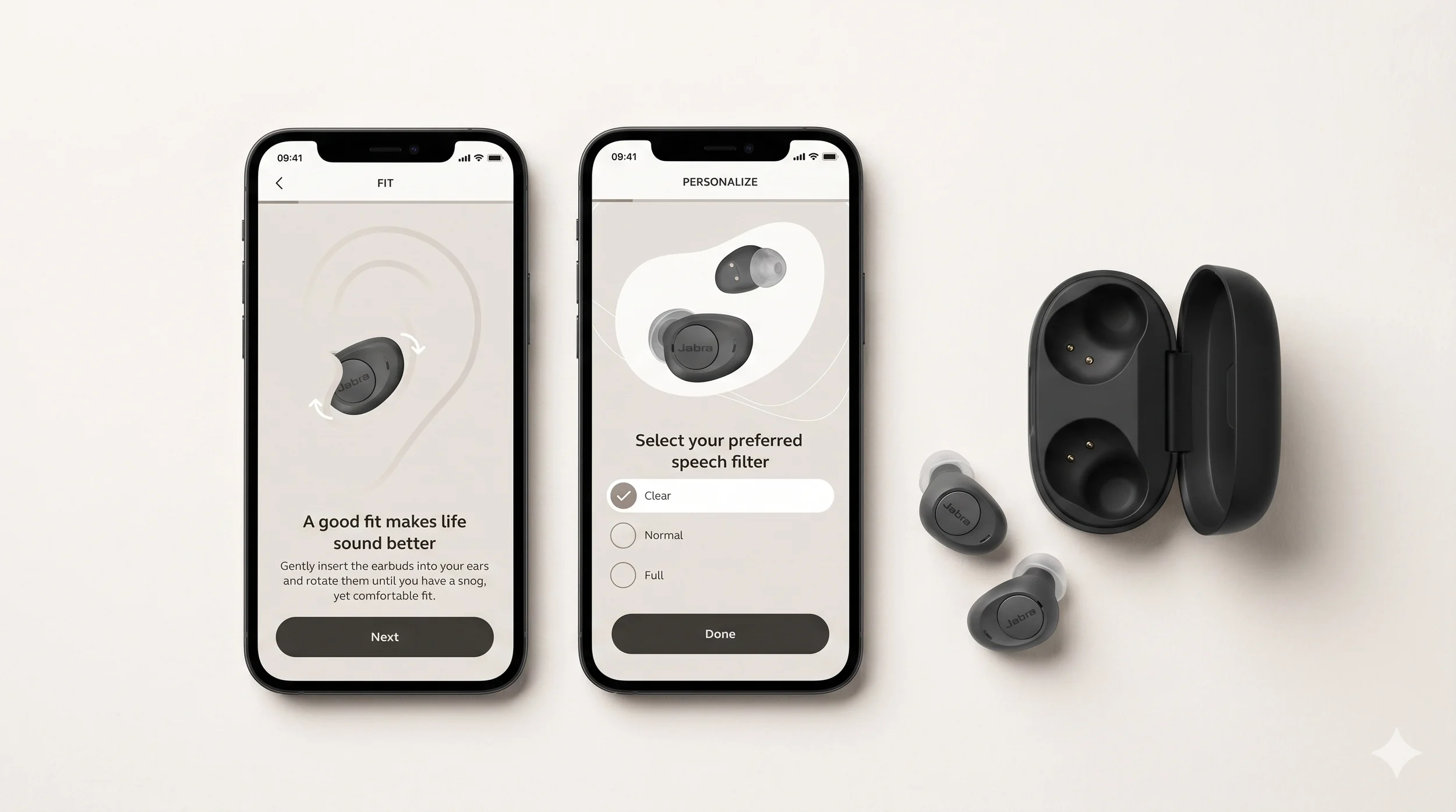
GN Hearing | Designit
For decades, rigid clinical barriers left millions with mild to moderate hearing loss unserved. This changed in 2022 when landmark FDA regulations established a new category of over-the-counter hearing aids.
This shift transformed a prescription only device into an accessible consumer product, opening a massive market opportunity for GN to reach the nearly 30 million Americans with mild to moderate hearing loss.
The core challenge wasn’t technical but psychological. People experiencing mild-to-moderate hearing loss actively resisted the idea of a hearing aid, associating the devices with age, disability, and stigma. Reaching this audience meant understanding how they perceived their own hearing and designing a solution that felt like a premium lifestyle choice rather than a medical concession.
-
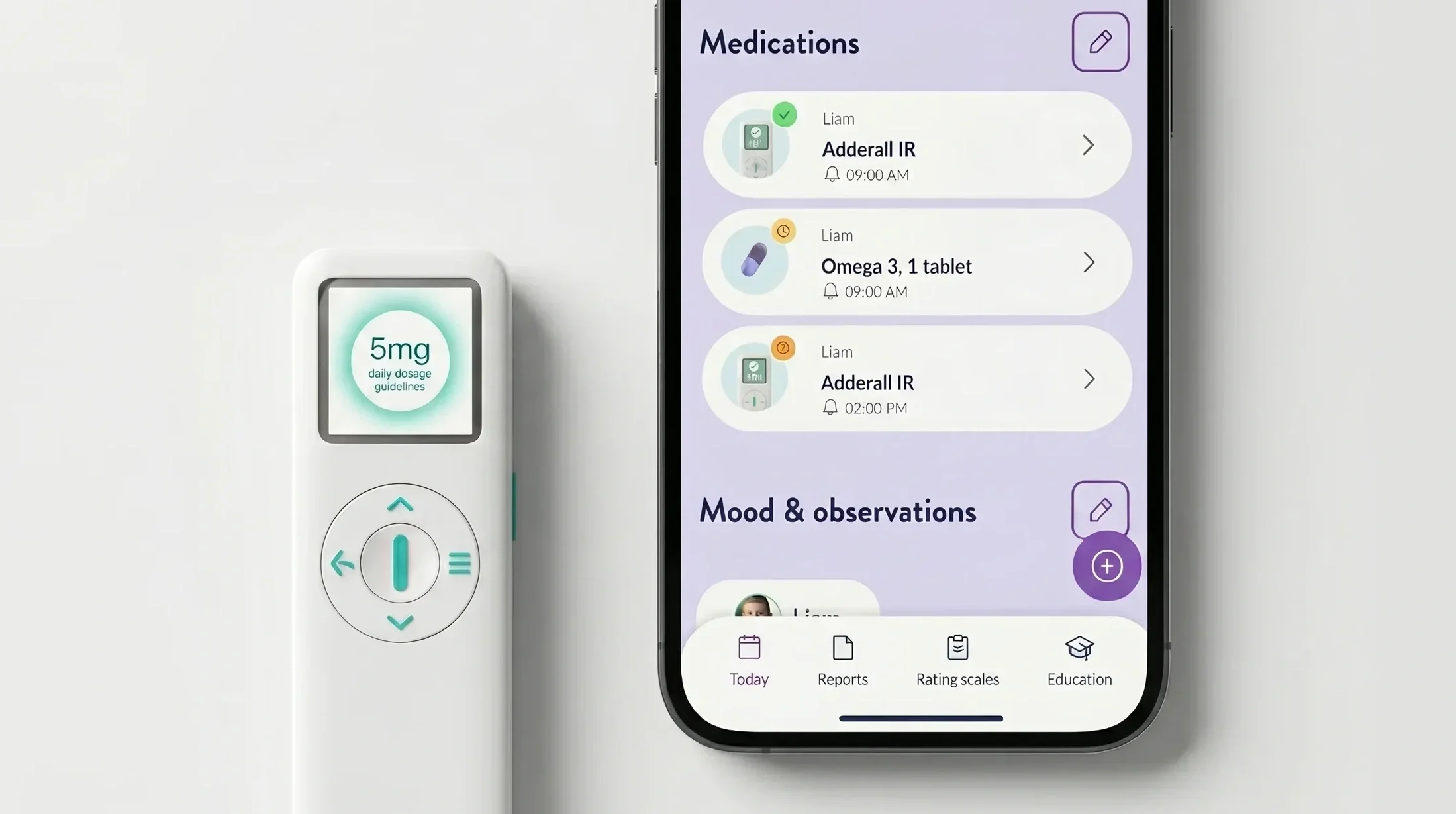
OYSTA Health | STAR
Children with ADHD often need highly individualised medication dosing but existing methods offer little precision and even less adaptability, making it genuinely difficult to find the optimal balance between dosage, side effects, and symptoms.
Ondosis set out to change that with Oysta, an integrated drug-device solution designed to give families, paediatricians, and teachers a better way to manage the condition.
-
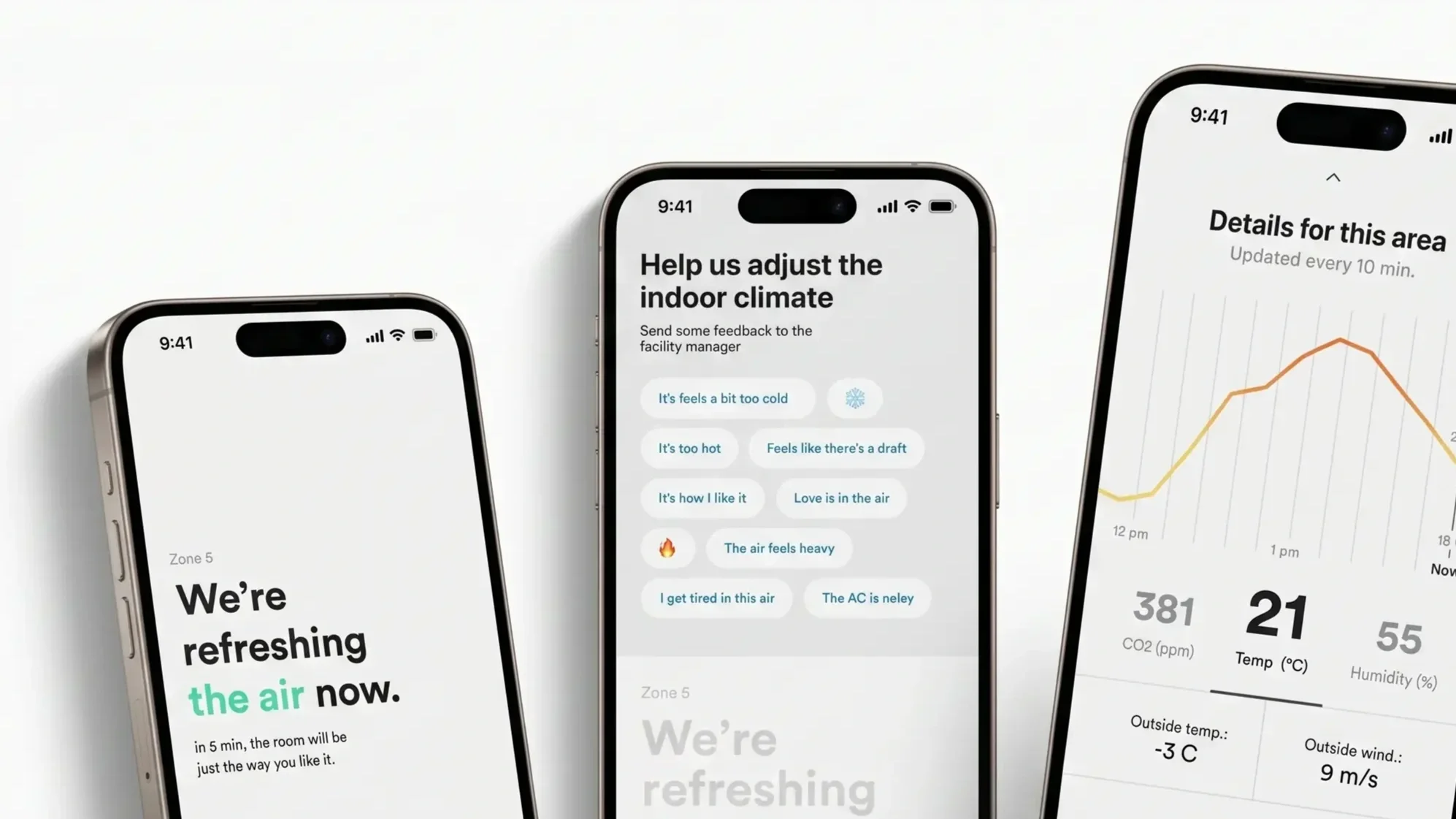
Window Master | Designit
WindowMaster, a leading clean-tech company in natural ventilation, wanted to enter the US market with a new IoT-enabled product that used indoor climate sensors to automatically open and close windows.
Natural ventilation uses wind and thermal buoyancy to create air movement in and out of buildings without mechanical systems, providing fresh air, cooling, and significantly reduced energy use.
The challenge was entering a market that had long defaulted to HVAC, where those benefits were real but largely invisible. Indoor climate is hard to prioritise when it can't be seen or directly measured, and the conversation rarely moves beyond temperature and thermostats to the quality of air and its impact on wellbeing and productivity.
-
Tetra Pak.
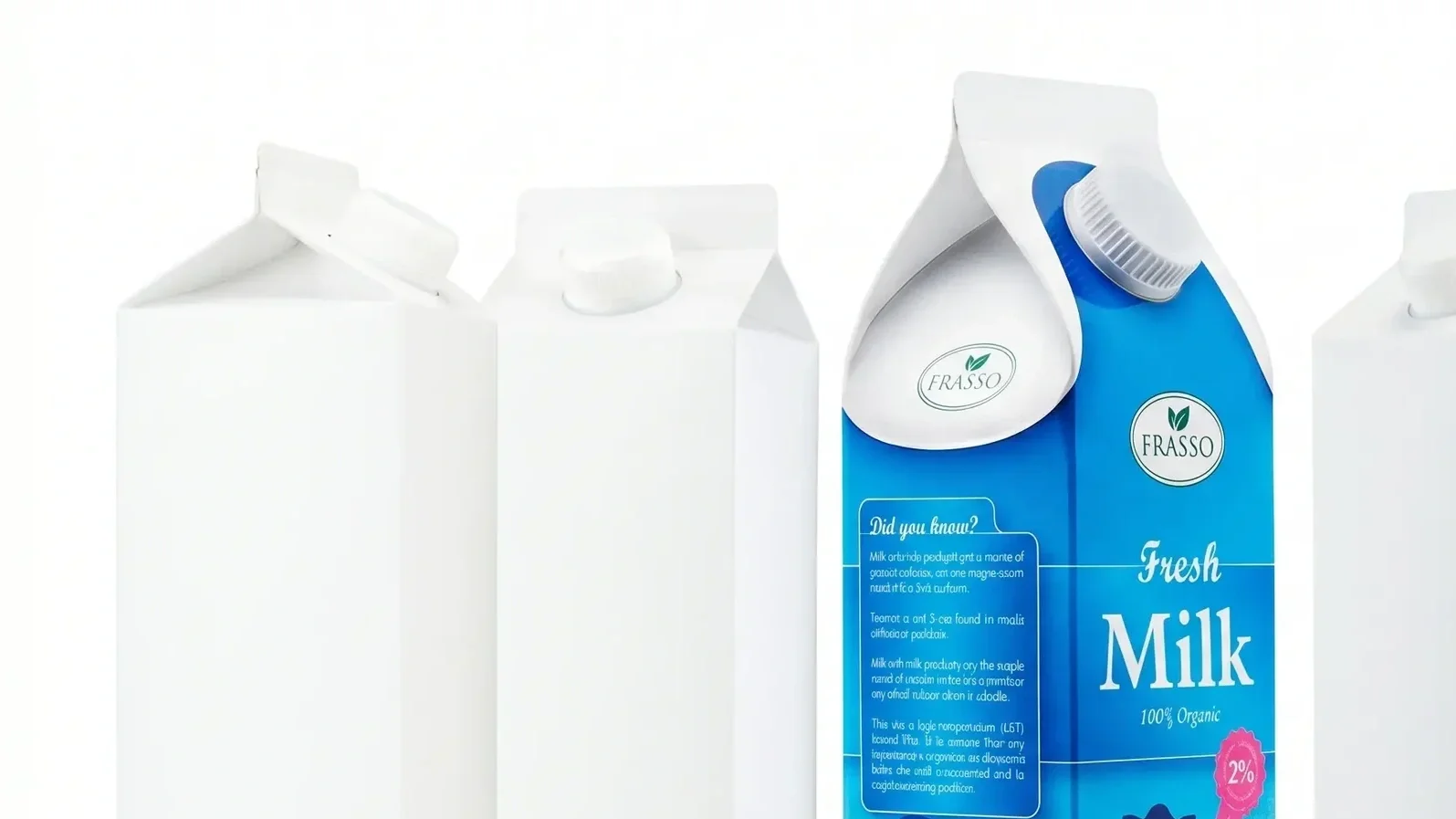
Tetra Pak's customers, premium milk and juice brand owners, were facing an increasingly crowded chilled category and needed a way to meaningfully stand out on shelf.
At the same time, Tetra Pak had a wide range of differentiation capabilities across their portfolio but no clear, engaging way to help customers understand and explore what was possible for their brand.
The opportunity was to solve both problems at once.
-
FLSmidth | STAR
A global leader in cement and mining equipment was evolving from a product business to a service and insights company.
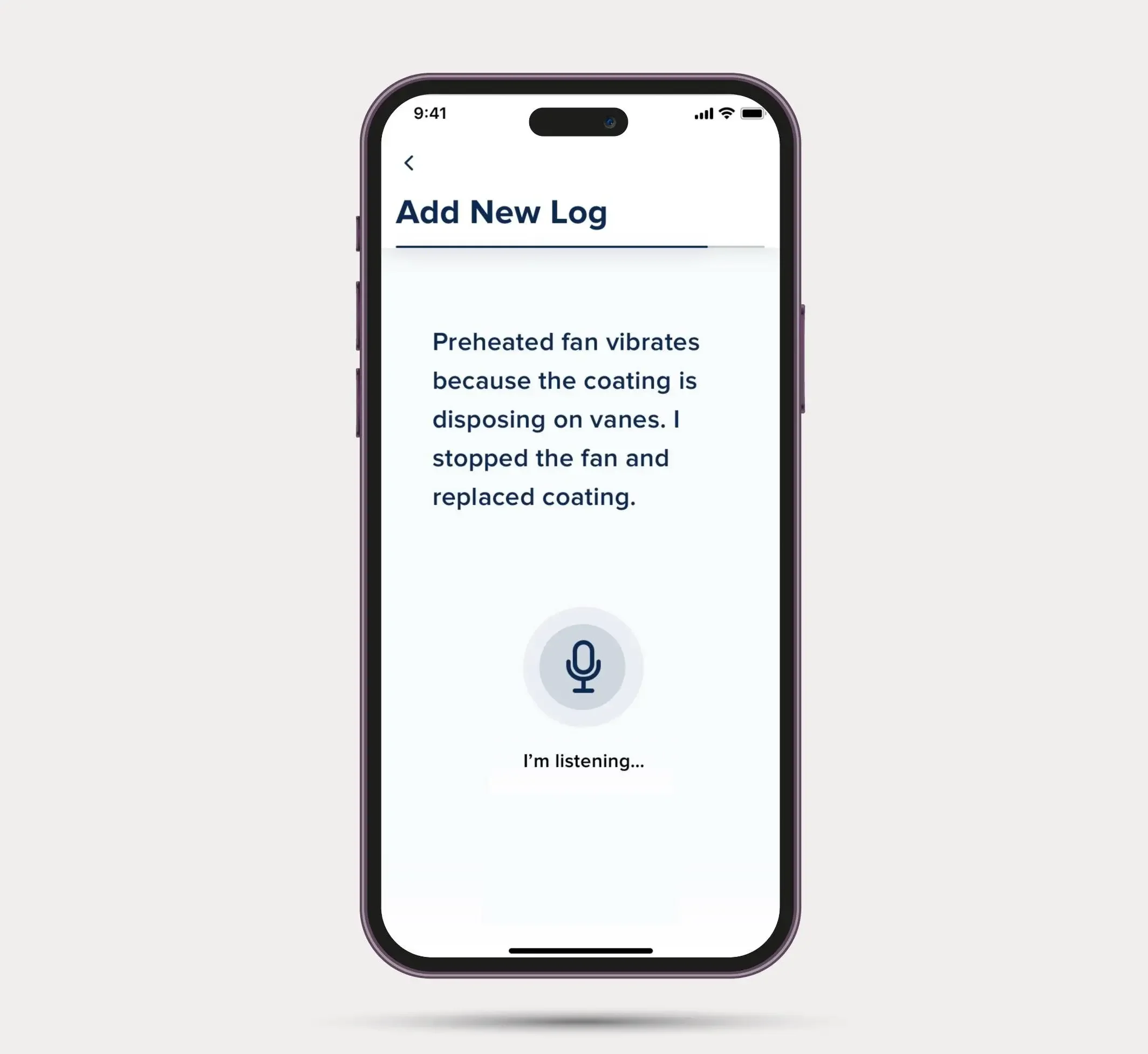
Their vision for an asset benchmarking platform had a critical gap: the human knowledge that sensors couldn't capture, the observations, incidents, and maintenance actions recorded daily by plant workers, often scribbled in paper logbooks or lost at shift handover.
Deep observational research revealed that plant operators worked in physically demanding, always-moving environments where logging was slow, inconsistent, and unstructured, making the data nearly unusable for analysis. Without solving this foundational problem, the broader insights platform couldn't function.