For companies who are looking to expand their product and service portfolio into new or adjacent markets, I envision future growth scenarios that are grounded in market needs and clearly framed to provide decision-makers the clarity and strategic oversight needed to prioritise investments.

Case Studies

  • Commercial Fleet Manufacturer | STAR

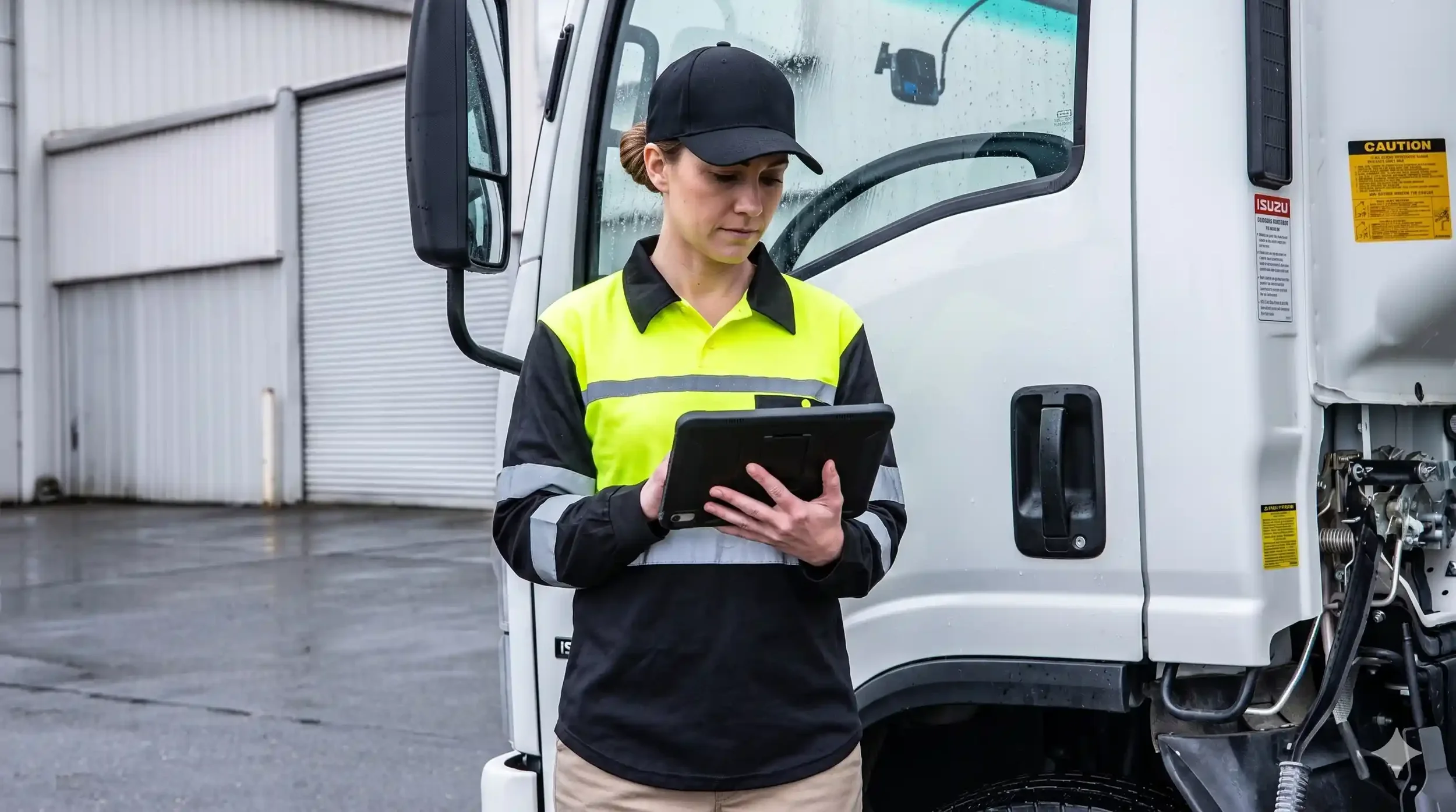
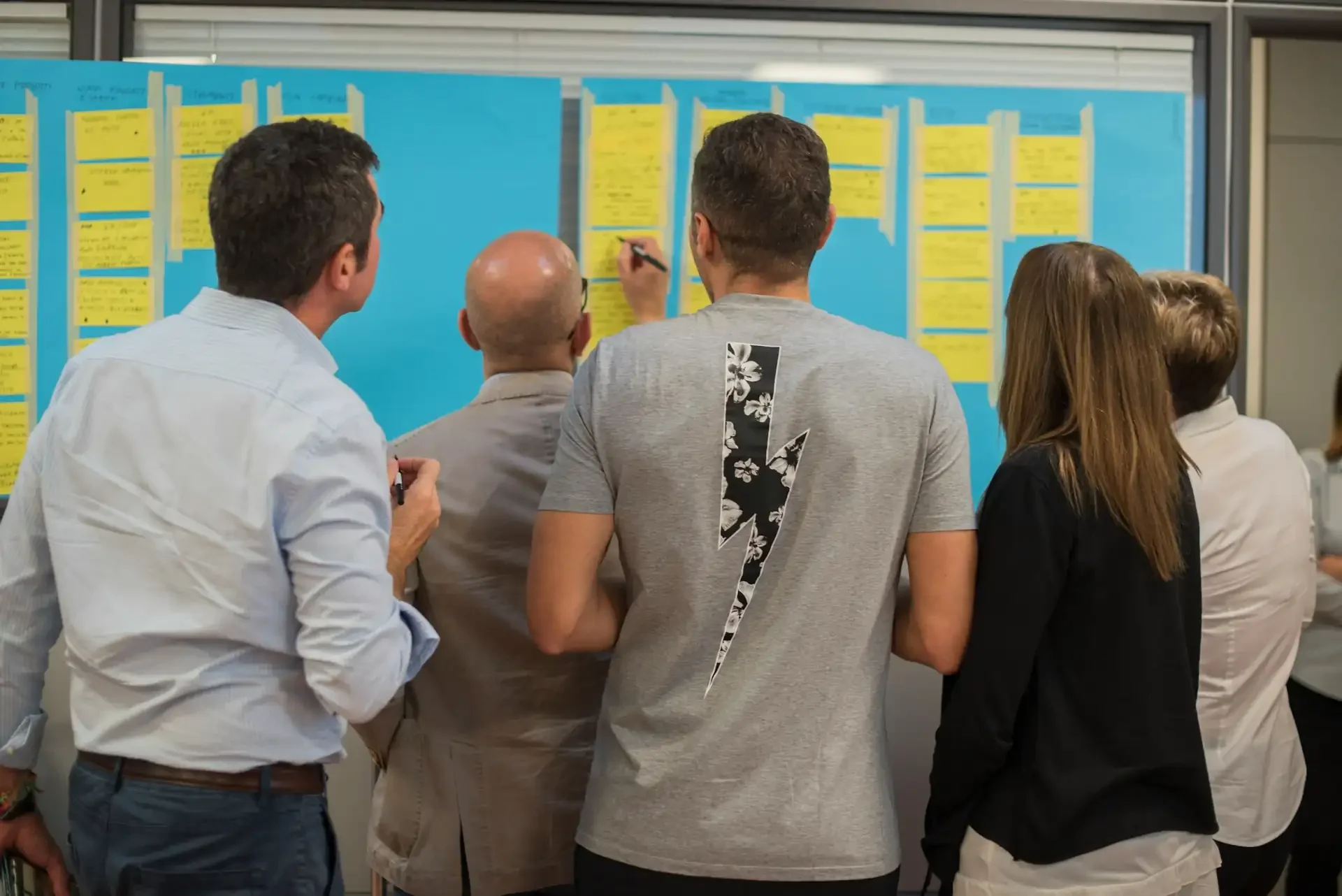
    Rising operational costs and pressure to monetise digital services have pushed commercial fleet manufacturers beyond vehicle sales. The client had a digital strategy, but ambition had outpaced structure: 29 disparate concepts and a preliminary roadmap, with no framework to evaluate investments or align the functions needed to deliver them. The ideas had never been validated, leaving the various departments unable to act decisively.

    Read full case study

  • Consumer Electronics Manufacturer | STAR

    A leading manufacturer of smart baby monitors had already won dominant product-market fit in the direct-to-consumer space, scaling its computer-vision technology to track sleep and development for thousands of families.

    Paediatric healthcare was a market they wanted to explore, but entering it meant shifting from consumer-centric value to clinical utility, a significant leap involving complex regulatory pathways and professional medical workflows. The challenge was identifying meaningful opportunities while accounting for the friction of clinical adoption, and translating "nursery data" into clinical evidence providers would trust.

    Read full case study

  • Global Automotive OEM | STAR

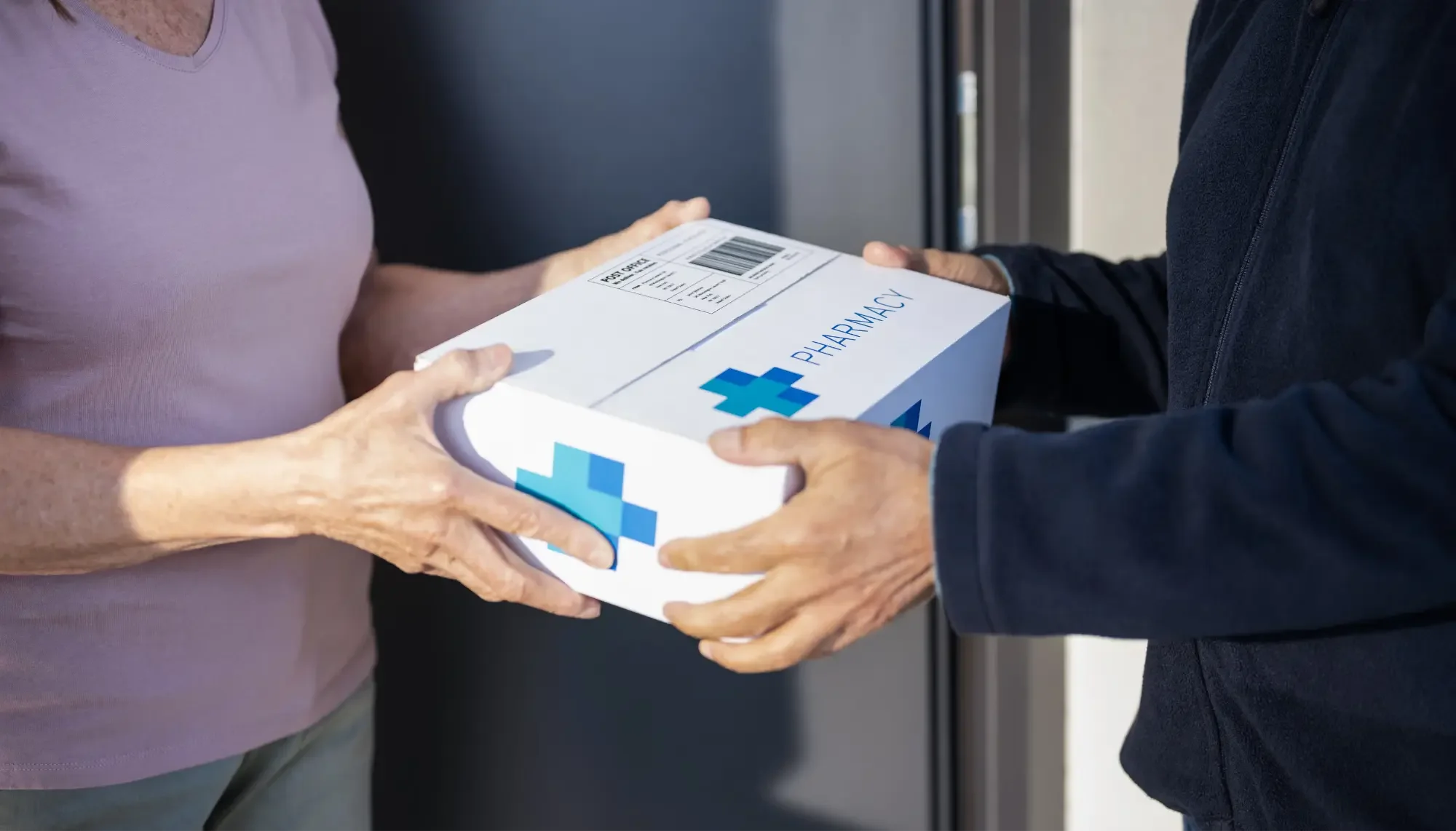
    A global automotive OEM asked whether its vehicle and logistics expertise could open a path into the US last-mile prescription-delivery market.

    Several different business models were plausible, from a partnership with an existing e-pharmacy platform, to becoming a full consumer e-pharmacy, each with its own customers, risk, and capability demands.

    Prescription delivery means healthcare regulation, patient trust, and logistics precision in an already dense, costly market. Choosing the wrong model meant over-investing in ground the OEM didn't own, so it needed an evidence-based way to decide where to focus.

    Read full case study

  • Commercial Fleet Manufacturer | STAR

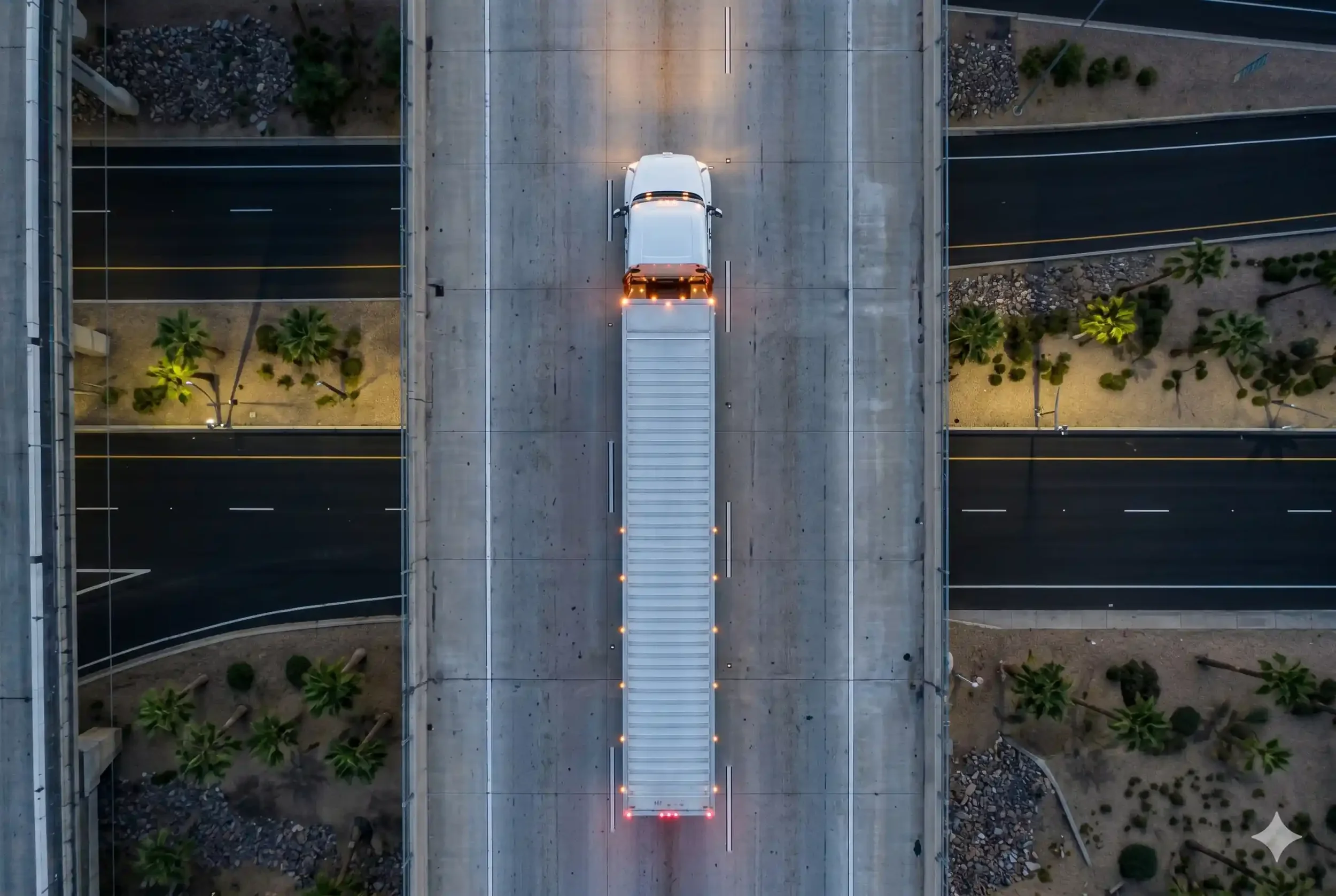
    A global truck OEM was preparing for a fundamental shift as Level 4 autonomy moved from concept to reality. The technology was maturing, but the OEM had yet to define the human experience of vehicles that navigate highways and urban routes without driver intervention.

    To hold its lead, it needed to understand how autonomy would reshape the roles of drivers, fleet managers, and warehouse operators. This is as much a human challenge as a technical one, designing for Level 4 had to start not with the software but with the people whose working lives change when the steering wheel is no longer the central interface.

    Read full case study